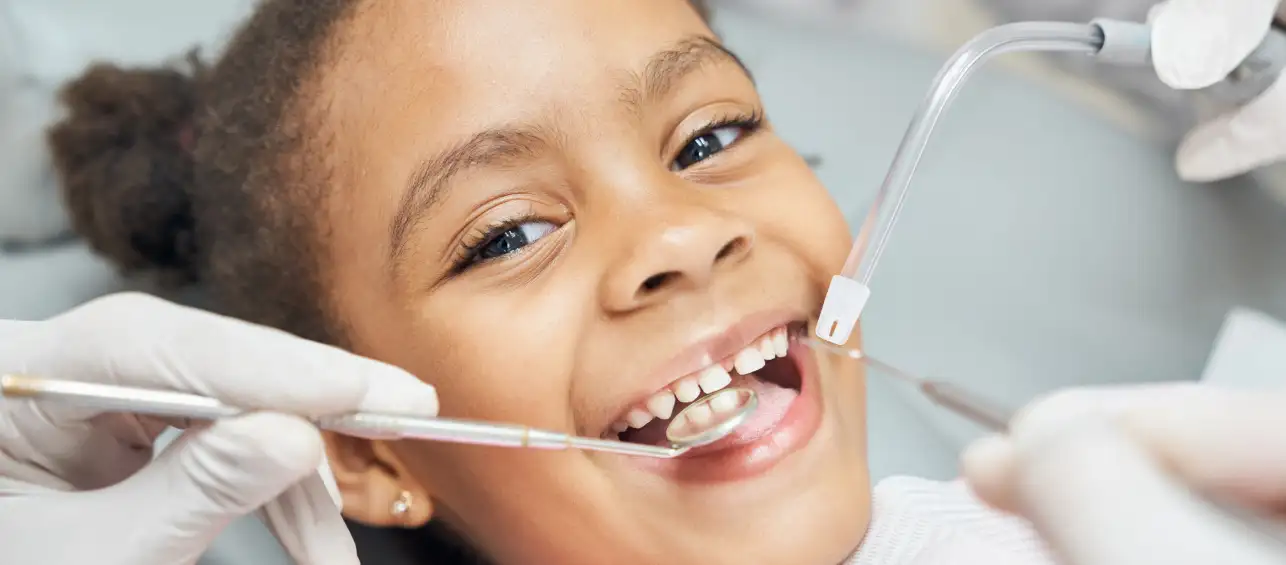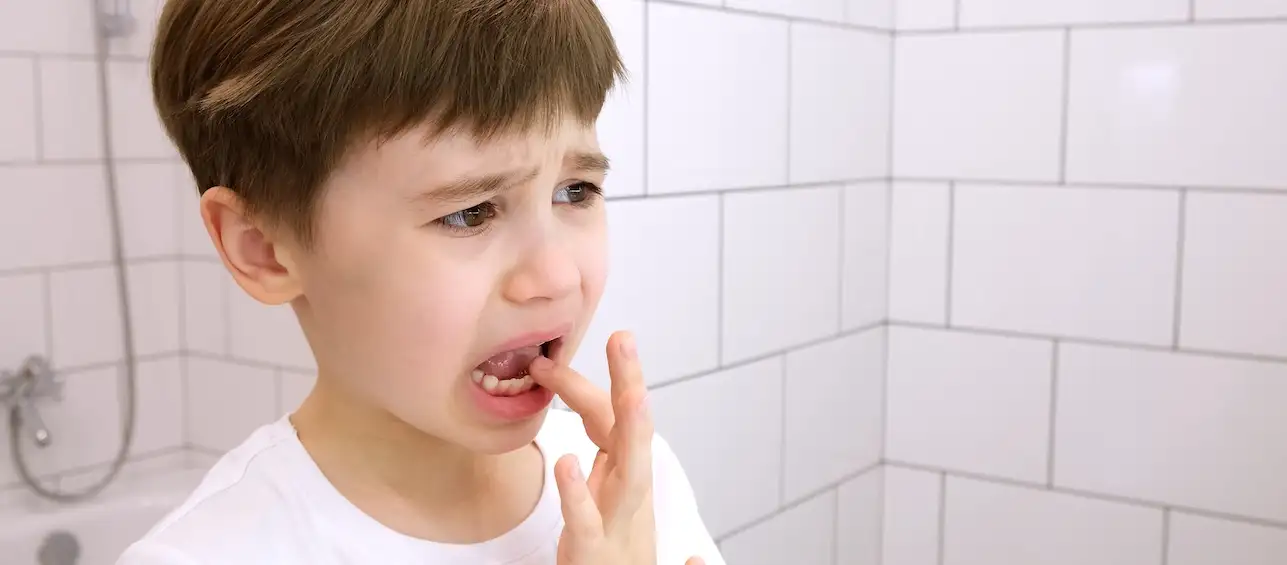

Is it a big deal when kids grind their teeth? It’s an important question to ask because teeth grinding in childhood is quite common. In fact, about 3 in 10 kids grind their teeth before the age of five. The good news is that only about 10-15% of kids who grind with their baby teeth will continue to grind with their permanent teeth.
REASONS WHY KIDS GRIND THEIR TEETH
So to answer that question, it really depends. Kids grind their teeth for many different reasons, but the grinding is most closely tied to different childhood phases and conditions. Here are the most common reasons why and the likelihood for them to cause harm:
- New baby teeth
While teeth grinding can be an alarming sound, it’s not typically a cause for concern in toddlers. Baby teeth are flatter and don’t have lock-in grooves like adult’s to make it more difficult to grind. Often toddlers are just exploring the feel of their new teeth and usually stop grinding when their adult teeth come in.
LEVEL OF CONCERN: Low. We aren’t usually concerned in this scenario. However, all children should have a dental examination no later than one year of age to check things out. - Ear pressure/fluid
Some kids grind their teeth because the jaw movement can help alleviate fluid pressure in the ears. Kids who have chronic ear problems and infections may be more likely to grind their teeth.
LEVEL OF CONCERN: It depends. If your child is doing this, an examination by a dentist and potentially an otolaryngologist could help address any issues. - Tics and neurodevelopmental issues
Teeth grinding can become an involuntary habit for some kids, and therefore they may not even realize that they’re doing it. It may happen more often in kids with neurodevelopmental issues and those who are prone to tics.
LEVEL OF CONCERN: Concern is typically related to any amount of damage to the teeth, tongue, lips, or cheeks. For those with developmental issues, it may be the result of an underlying diagnosis. Medications such as the anti-seizure medication, Keppra, can be associated with teeth grinding. Further, any grinding that presents with regular headaches needs to be immediately assessed by a pediatrician or neurologist to rule out any serious issues. - Sleep disturbances/night terrors
When kids have sleep disturbances, like nightmares, night terrors, or bedwetting, they are more likely to grind their teeth. We don’t quite understand why, but these irregular sleep patterns are associated with grinding. While this can sound alarming, the severity of the damage depends on a few factors such as their age.
LEVEL OF CONCERN: It depends. Mouth guards can work well if kids are old enough to wear them. However, when grinding happens in parallel with sleep disturbances, the sleep disturbances should be addressed first. Grinding can be an associated sign of obstructive sleep apnea. - GERD
Kids who have GERD (gastroesophageal reflux disease) and also grind can cause serious problems for their teeth. The acid that comes up with this condition softens the enamel. And then when they grind, that enamel gets worn away. We can tell when kids do this because the cusp tips on their teeth are worn down.
LEVEL OF CONCERN: High. When this happens, we’ll refer kids to their pediatrician to treat their GERD, which should stop the continued damage. - Unusual Bite/Crossbite
When kids have an unusual bite, crossbite, or their jaws are not aligned properly, they’re more likely to grind their teeth.
LEVEL OF CONCERN: It depends. An evaluation by a dentist can help determine how much damage they’re causing. A dentist may make an additional referral to an orthodontist for assessment of growth and development of the jaws. - Stress in teens
When teens grind their teeth, it’s often because they’re stressed. We typically see a spike during milestones such as finals, big sporting events, and the college application season. They may also clench their jaws. While this is not a form of grinding, it can go hand-in-hand with it and cause a significant amount of pain in the form of headaches and neck and jaw pain.
LEVEL OF CONCERN: Potentially high. It’s possible for teens to cause a significant amount of damage to their teeth, especially if they’re also drinking acidic sodas that may contribute to fractures and wear of their teeth. - Caffeine use
As kids get older they may drink more caffeine, which is a stimulant. This can cause an increase in muscle activity, such as jaw clenching and grinding. It is also commonly associated with sleep disturbances. Our first line of questioning when teens come in with jaw pain is to ask how they’re sleeping and what they’re drinking. If they’re drinking a lot of caffeine, they’re probably not sleeping well and also grinding their teeth.
LEVEL OF CONCERN: It depends. While teeth grinding may not be resolved simply by reducing caffeine, it can help with other associated issues, such as sleep disturbances.
TREATMENT
Treatment for teeth grinding really depends on the kid, the situation, and the type/severity of grinding. Often we will do a combination of a mouth guard, anti-inflammatories, and warm compresses. Mouthguards are usually prescribed if they’re grinding at night; the strategy is not very successful for daytime grinding. If those strategies don’t help, we may evaluate the bite to see if changing it might help with grinding.
If your child’s teeth grinding is causing regular headaches and jaw soreness, or is staying home from normal activities because of it, talk to your child’s dentist about it. He or she may recommend some of the treatments that we’ve discussed above.
To learn more about pediatric dentistry at Cincinnati Children’s, please visit our website or call 513-636-4641.