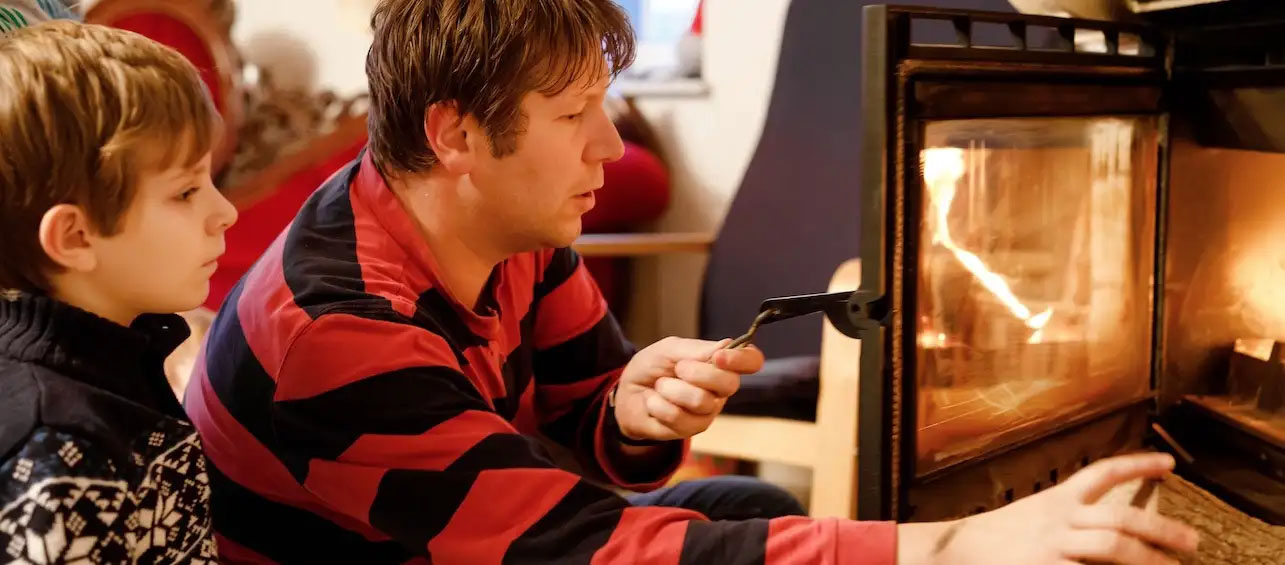
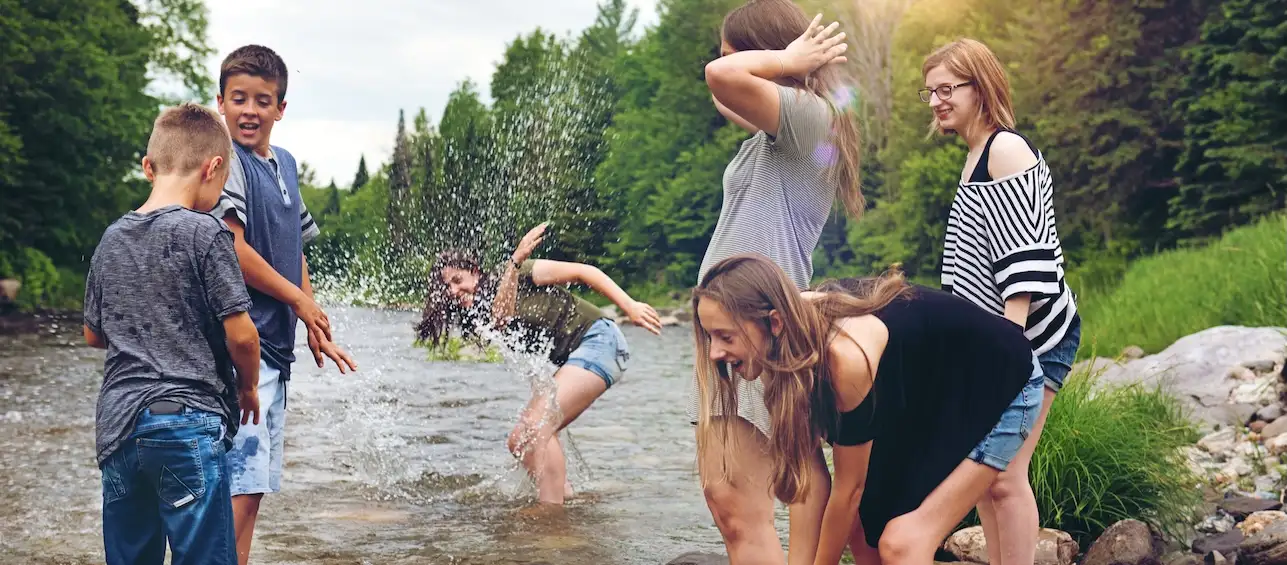
It’s high time for getting kids outside to play in pools and at beaches. Before you head out, it’s important to review water safety rules with kids of all ages. While it may seem like younger kids need more supervision around water, teens also have a high risk for drowning.
Use this guide to make sure the kids in your care — from teens to infants — stay safe in the water.
What You Need to Know About Drowning Risks and Water Safety
1. Know the risks that come with your child’s age.
Often we think of water safety in relation to pools and beach vacations. But water safety starts well before that, with being safe at home first.
Drowning can happen quickly and quietly. A child can lose consciousness in less than 60 seconds of going underwater.
Here is information to know and precautions to take based on the ages of your children:
Teens
- What to know: Teens, and specifically teen males, have a high risk of drowning. This is because they are at an age where they may overestimate their swimming skills; take more, and more dangerous, risks in the water; lack close supervision; and/or use drugs or alcohol when in the water.
- What to do: Talk to your teens about being safe in the water, especially in natural bodies of water. Discuss the dangers of entering bodies of water without knowing what’s under the water, such as jumping into a river. Make sure they’re aware of currents and how they can affect the swimming abilities of them and their friends. They should also keep an eye out for any younger kids in the water around them.
Kids ages 5-14
- What to know: Drowning is a leading cause of unintentional injury death in this age group. According to the American Academy of Pediatrics, most kids over age 6 can take a bath safely by themselves.
- What to do: Be aware of how familiar your child is with being in water. Never force them into a situation where they feel uncomfortable. Know their swimming abilities and their ability to watch out for and handle risky situations in the water. Continue keeping a close eye on them at these ages. Talk to them often about safe water practices.
Toddlers ages 1-4
- What to know: Drowning is also a leading cause of unintentional injury death in toddlers. This is an age when kids start to play in the water and are exposed to more water sources such as kiddie and public pools.
- What to do: Children this age should never be left unsupervised to swim or bathe. Always be an arm’s length away so you can touch your child if something were to happen. Ideally, the person supervising the child would be able to swim. If not, there should be someone in the area who can swim in case a drowning event were to occur.
Do not rely on flotation devices as a substitute for your supervision.
Infants
- What to know: Infants can drown in 1” or less of water if the water is just covering their face.
- What to do: When you’re giving infants a bath, never leave them unsupervised or in the supervision of a young child. Stay within an arm’s length of your infant when they’re being given a bath. Children in infant seats can slide quickly into the water.
Keep in mind other sources of water that young kids can get into:- Close toilet lids.
- Don’t leave open buckets of water sitting out.
- Be aware of bird baths and decorative water fountains.
Kids with certain medical conditions
- What to know: Kids with certain medical conditions are at higher risk of drowning. This includes children who have autism, who tend to wander away and are attracted to water; children with epilepsy, who could have a seizure while swimming; and children with heart conditions, who could have a cardiac emergency while in the water.
- What to do: For kids with these conditions, a designated adult needs to actively watch them. Review water safety specific to your child’s medical condition with their doctor. Begin teaching your child to be safe around water as soon as possible. Set and review rules for behavior around any body of water that the entire household needs to follow.
2. Practice good water safety.
- Have a phone nearby when you and your kids are in or near water in case an emergency call is needed.
- Review your surroundings first whenever you go somewhere near water with your kids — whether it’s a friend’s or relative’s house, a rental home or hotel, a pool that’s new to your family, or a neighborhood with an open retention pond.
Take note:- Where are there open bodies of water that your kids could get into?
- What kind of safety measures are in place?
- Is there a lifeguard?
- Is there water rescue equipment?
- Are life jackets available if needed?
- Don’t assume wherever you go that all steps have been taken to make sure the area is safe.
- Pool fences should be at least four feet high. They need to surround the entire pool. Make sure there are no gaps wide enough that a child could slip through. Doors and gates should have latches or safety latches that work and that a child could not operate alone.
- Know your child’s swimming abilities, as well as their ability to make good decisions around water. Not all kids the same age will have the same experiences or abilities in water. Talk to your child about recognizing risks in the water, such as roughhousing, that could get them in trouble. A good rule of thumb is to keep your hands to yourself while in the water.
- Have your child stick to the rule that no one swims alone. Someone else should always be present, no matter your child’s age and no matter where they are, whether it’s in your backyard, or at a lake, creek, ocean or public pool.
- Talk to older kids about keeping an eye out on their friends. They should know the signs of drowning and when to notify a lifeguard or other adult for help.
- Coast Guard-approved life jackets are recommended for any anyone who cannot swim, or anyone who is in an open body of water, like on a boat. Just as with most prevention efforts, parents setting the example goes a long way toward kids complying with the rule. The adults present should model wearing a life jacket so the kids will understand that it’s needed.
- Be aware of risks around natural bodies of water. Teach your kids about currents in natural bodies of the water. Know that lifeguards can’t keep an eye on everyone. Be extra vigilant at crowded beaches.
- It’s a good idea for anyone who cares for children to take a CPR class.
3. Know how to respond in a drowning event.
If you are a bystander and you see someone drowning:
- First check your surroundings and make sure it’s safe for you to help before you engage in help.
- If it’s safe, remove the person from the water. If a lifeguard is present, call for them or send someone else to get the lifeguard.
- If the person is breathing, call 911.
- If they are not breathing, start rescue breaths and chest compressions using CPR. Have someone call 911.
- Always have the person evaluated by a physician at an emergency department as drowning symptoms will often get worse over the first few hours.
Starting water safety talks with your kids when they’re young is the easiest and best way to help them grow up using safe water practices. Share these tips and talk about water safety with each of your child’s caregivers (grandparents, babysitters, camp counselors).
Summer is a time for kicking back and enjoying the fun that water has to offer. Just be sure to do it using safe practices for the whole family.
Editor’s Note: Sarvika Bommakanti, MD, also contributed to this blog post. Dr. Bommakanti is a pediatrics resident at Cincinnati Children’s.