QUICK ANSWER: Parents should consider more than a child's age when deciding to let them ride. If you choose to allow them, selecting an appropriately sized vehicle, wearing protective gear and following safety rules can help prevent serious injuries. Other important safety considerations include:
-	Never carrying more passengers than the vehicle allows.
-	Never towing children behind an ATV.
-	Staying off paved roads and avoiding riding after dark.
Off-highway vehicles can be part of family adventures, whether riding trails, exploring the outdoors or working on a farm. But they can also pose serious risks, especially for children who may not have the size, strength or experience to ride safely. The Consumer Product Safety Commission’s (CPSC) latest data shows an estimated 800 deaths and 100,000 emergency department visits per year from off-highway vehicles.
“Off-highway vehicles” is an umbrella term that includes several types of vehicles designed for use off of paved roads. In other words, they’re not street legal. They include:
- All-terrain vehicles (ATVs), often called four-wheelers.
- Utility terrain vehicles (UTVs), commonly known as side-by-sides.
- Off-road motorcycles, such as dirt bikes.
- Golf carts are a separate vehicle category (because some can be driven on roads) but I’m including them here because they can also cause serious injuries.
Parents should consider more than a child’s age when deciding to let them ride. If you choose to allow them to ride, selecting an appropriately sized vehicle, wearing protective gear and following safety rules can help prevent serious injuries.
Choose a Vehicle That Fits Your Child
One of the most important safety decisions is matching a vehicle to a child’s age, size and abilities. Parents should follow the manufacturer’s age recommendations and operating instructions, while also supervising young riders closely.
ATVs come in different sizes, and youth models are designed for smaller riders. Children should never operate adult-sized ATVs. They are heavier and more powerful, making them difficult for children to control. If it rolls over, they can be crushed beneath it, potentially suffering life-threatening injuries.
An important point: A child’s confidence or interest in riding doesn’t necessarily mean they’re ready to operate a vehicle safely.
Wear the Right Protective Gear
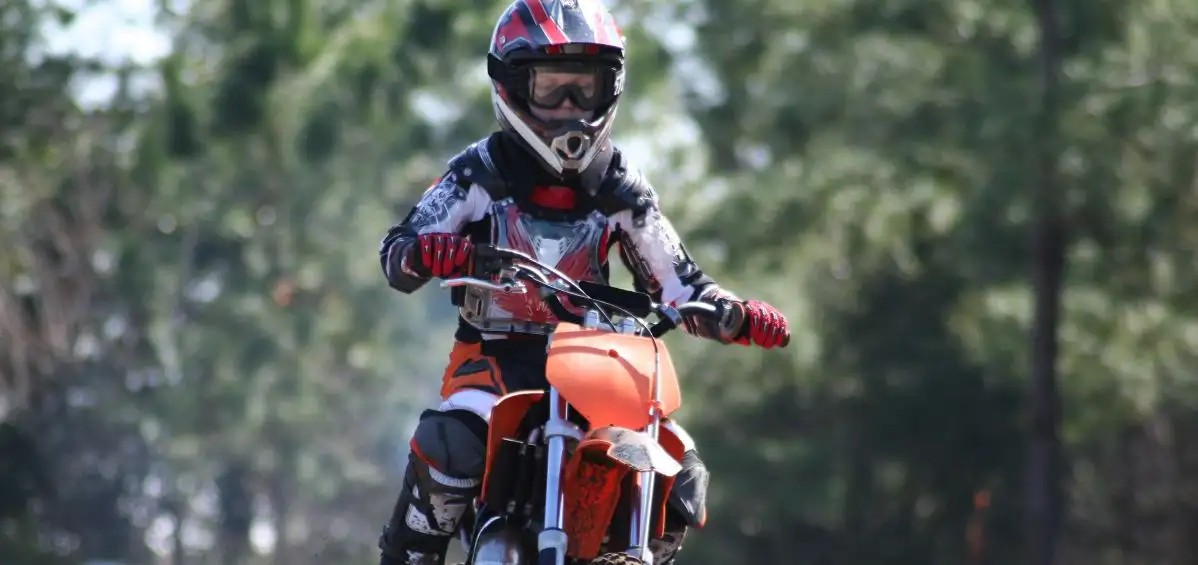
A standard bicycle helmet doesn’t provide the same protection as a helmet designed for off-road riding. Riders should wear a helmet that meets U.S. Department of Transportation (DOT) standards. A full-face helmet offers additional protection for the face and chin.
Protective gear should also include:
- Goggles or protective eyewear.
- Gloves for grip and to protect the hands from scrapes.
- Long sleeves, long pants and sturdy over-the-ankle boots. This equipment helps protect against debris, scrapes and other injuries.
Important safety reminder: Sandals, shorts and exposed skin are not appropriate for off-highway riding.
Get Hands-On Safety Training
Reading safety instructions is a good start, but hands-on training helps riders learn to handle a vehicle and respond to changing terrain. Parents can explore courses through:
- The ATV Safety Institute.
- The National 4-H Council.
- The vehicles operating manual on ATVsafety.gov.
Never Carry More Passengers Than the Vehicle Allows
Many ATVs are designed for just one rider. Carrying a passenger can interfere with steering and balance, increasing the risk of losing control or rolling over.
Allowing a toddler to sit on an adult’s lap while driving a four-wheeler is especially dangerous. The child may not be able to hold on securely and can be injured during a sudden movement or crash.
Some UTVs are designed to carry multiple occupants in designated seats with restraints. Parents should follow the manufacturer’s instructions and never exceed the vehicle’s seating capacity.
Key safety tip: When riding in a golf cart, use the seat belts provided and any other safety features. Golf carts can cause serious injuries when occupants fall or are thrown from the vehicle. It’s also important to note that commercially available car seats and booster seats are not approved for golf cart use.
Never Tow Children Behind an ATV
Pulling children on sleds, tubes or wagons behind an ATV may look like fun, but it creates serious hazards. Children being towed cannot steer or brake effectively and may fall off, collide with the vehicle or be struck when it stops or turns.
A vehicle’s ability to tow a load does not mean it’s safe to tow people.
Stay Off Paved Roads and Avoid Riding After Dark
ATVs are designed for off-road terrain, not paved roads. Their handling and stability can make them difficult to control on pavement, increasing the risk of a collision.
Night riding adds another risk because obstacles are harder to see. For young or inexperienced riders, avoiding nighttime riding is a sensible precaution.
Use designated riding areas and check state and local laws before heading out.
A Safer Ride Starts Before the Engine Starts
Off-highway riding can give families opportunities to enjoy the outdoors, but safe participation requires preparation and good judgment. Choosing the right vehicle, wearing protective gear, getting hands-on training and following safety rules can help prevent serious injuries.
Often, the most important safety decisions happen before the ride even begins.
Make safety a priority! Learn more about injury prevention on our website or call 513-636-7865 option 1.