We’ve been sheltering-in-place and managing our lives around the new coronavirus, COVID-19, for quite some time now. As a child psychologist, I figured that eventually our mental health would be impacted by it. Recently I saw a statistic that confirmed this notion.
Anti-Anxiety, Antidepressant, and Anti-insomnia Prescriptions Increased
Express scripts released a report that shows from February 16 to March 15, 2020 there was a 34% increase in prescriptions for anxiety medication; 18.6% for depression medication; and roughly 15% in sleep medication. This report includes both kids and adults.
I mention this statistic because I want families to know that they’re not alone. Everyone is feeling the effect of COVID-19. We’re all stuck at home. We can’t go to school and work, see our friends and do the things we’re used to doing.
Symptoms of Anxiety, Depression and Sleep Problems in Kids
As things may continue to feel uncertain for some, anxiety, depression and sleep problems may arise. Because the symptoms of these issues aren’t always obvious in kids, I’d like to share what they look like and some things parents can do at home to help.
- What Anxiety Can Look Like in Kids
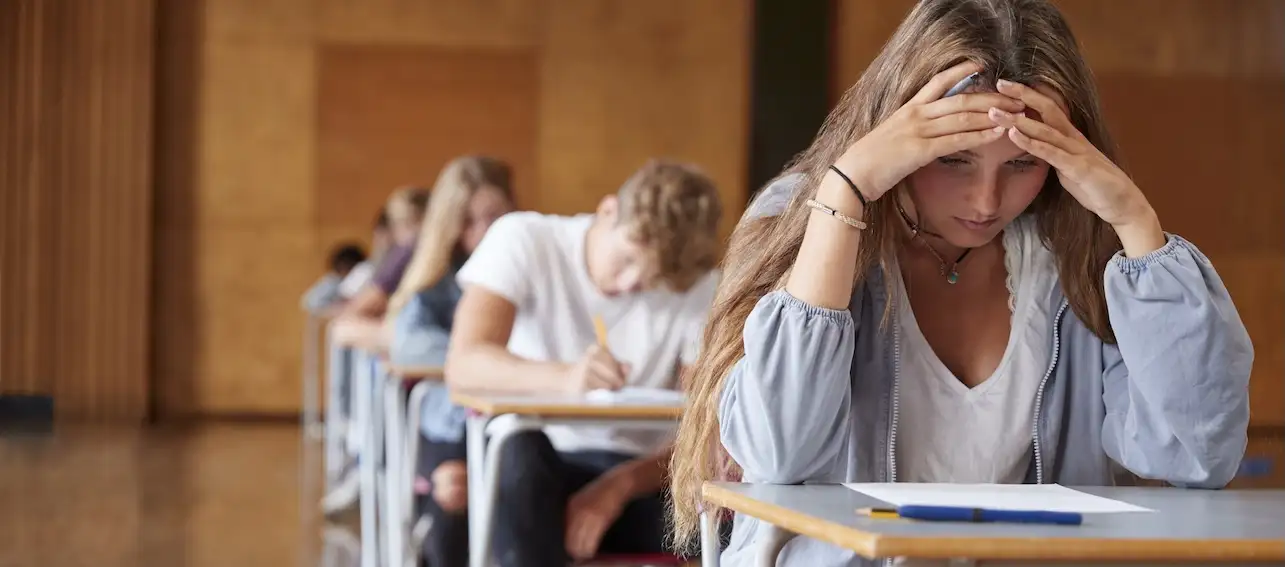
Symptoms of anxiety can vary based on the age of the kid. In general, it can be worries, fears, and a lot of “what if” thoughts. They may need more reassurance. They may have more separation anxiety issues, such as not wanting to leave mom or dad, can’t go to other parts of the house alone, or don’t want to play alone. It could also increase their whining, yelling and crying. - What Depression Can Look Like in Kids
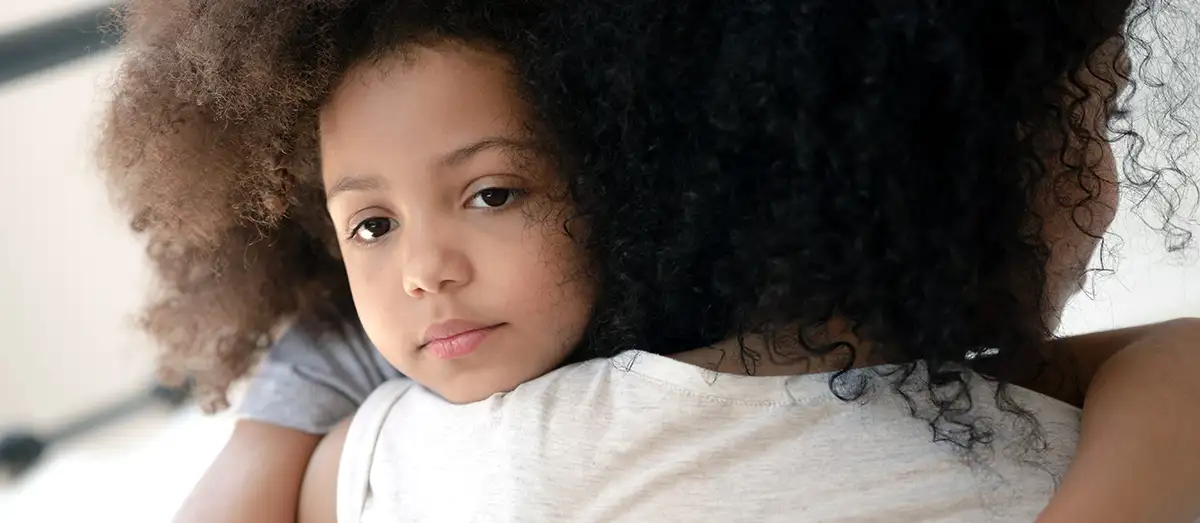
Depression can look differently based on the age of the child. However, it may include sadness, tearfulness, sleeping more, not eating or wanting to join the family for meals. - What Sleep Problems Can Look Like in Kids
Sleep problems in children can vary widely. They may not sleep well in general. Or they may have trouble falling asleep, staying asleep, or waking up early in the morning. It can also include being scared to be alone or having an increase in nightmares. - Other Signs and Symptoms
Behavior problems may also be a sign that your kids are having problems coping. These can include irritability, noncompliance, whining, fighting with siblings, and regressing in milestones (such as a child who was potty-trained is now having accidents). In general, anything that is out of the norm for your child may be an indicator that he is having difficulty.
Steps Parents Can Take to Help
If your children are exhibiting some of the above signs, here are some steps you can take to help them:
-
Track their behavior to see if you notice any patterns.
-
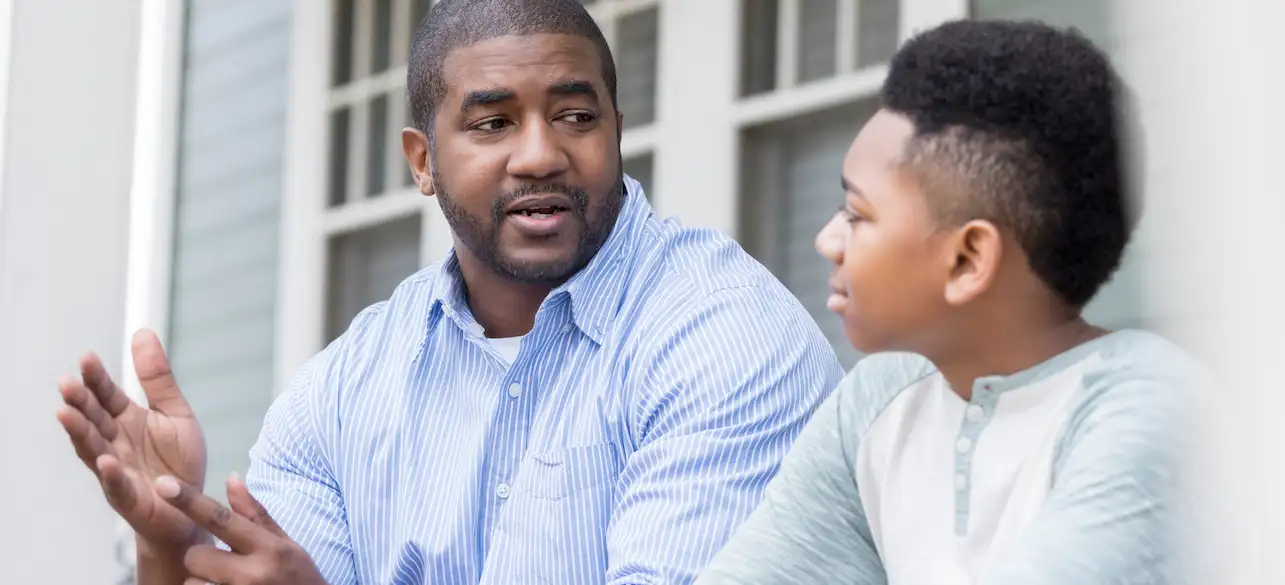
Talk to them about what you’re seeing.
“I noticed that you seem upset at bedtime. Or that you don’t want to go to the bathroom by yourself now.”
-
Normalize it.
Explain that “It’s okay to have these feelings. Everyone is upset right now. You may find these previous blog posts helpful: Teaching Kids Cognitive Behavioral Therapy Coping Tools; Taking Care of Your Family’s Mental Health During COVID-19; and Steps to Ease Kids’ Fears About COVID-19.
-
In general, try to keep a loose routine going, even through the summer.
This can help kids of all ages feel more secure. It could include a general outline for eating, exercising, learning, playing, and spending time together as a family. I would also recommend increasing incentives and rewards for good behavior.
-
Seek professional help when things aren’t getting better.
If these problems are impacting your family functioning and nothing seems to help, contact your child’s doctor. He or she may recommend a referral to a child psychologist.
To learn more about our Behavioral Medicine and Clinical Psychology division, please call 513-636-4336.