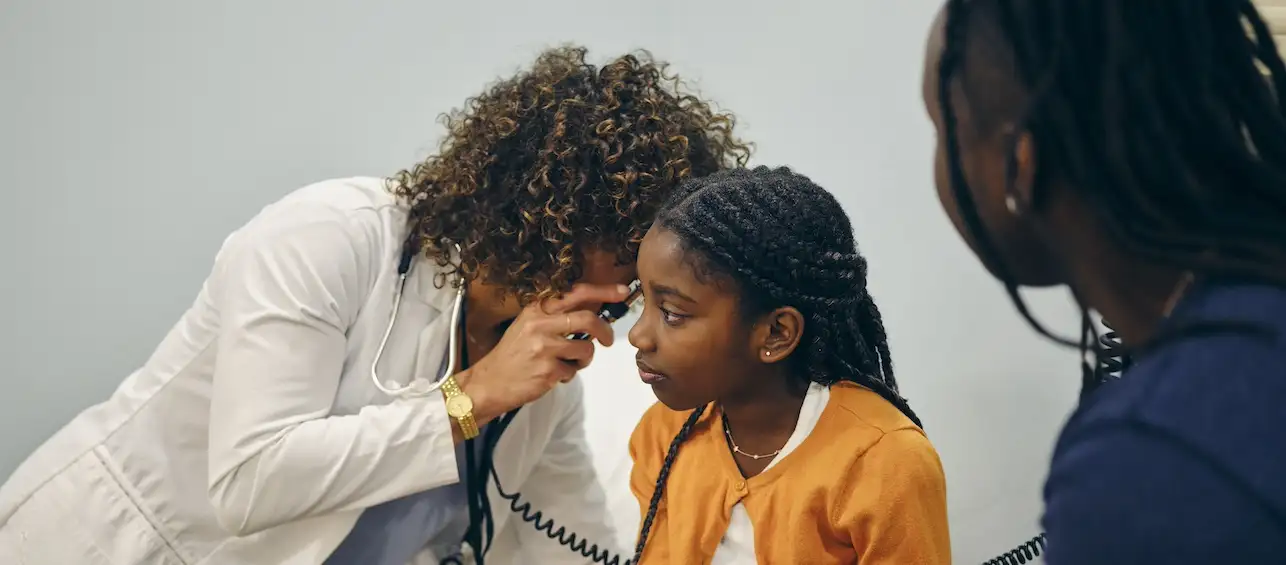
Naturally, when parents see dirt on their kids, they want to clean it. Earwax is no different – except that parents probably shouldn’t remove it themselves. At least, no more than wiping it off with a wet washcloth.
That’s because sticking anything inside of the ear, such as a cotton swab, could potentially damage the ear drum. But what should parents do if their kids produce lots of earwax, or if it becomes impacted?
THE PURPOSE OF EARWAX
First, let’s cover why earwax is there in the first place. Earwax is basically the ear’s natural protective barrier. It prevents dry, itchy ears and infections, and shields the ear drum from dirt and bacteria. It works its way out of the ear on its own, and for the most part, should not be a cause for concern.
SYMPTOMS OF EARWAX BUILDUP
However, there are kids who produce more earwax than normal, have narrow ear canals, or develop hard, crusty wax. In these cases, they may start to have symptoms of earwax buildup such as difficulty hearing, ringing in the ears, or discomfort. Kids who wear hearing aids are also more at risk for earwax buildup.
HOW TO SAFELY CARE FOR EARWAX
Parents should not remove earwax with anything other than a warm, wet washcloth. Aside from the risk of damaging the ear drum, you’re more likely to push the earwax further down the canal than you are to remove any of it. If you suspect that your child has buildup or impaction, I recommend seeing your pediatrician. They may be able to remove or irrigate it. Before heading there, you can try the following methods to soften it, which can help doctors remove it more easily in the office:
- Purchase over-the-counter earwax removal drops, such as Debrox.
- Make your own removal/softener, with 50:50 solution of either hydrogen peroxide or acetic acid (distilled white vinegar) and distilled water, or drops of mineral oil or saline.
- After warming any of these drops to body temperature, place two drops in the ears once or twice a day.
If your kids have ongoing issues with earwax buildup, it is okay to use these drops on an ongoing basis to help prevent it.
REMOVAL METHODS TO AVOID
- Cotton swabs: Using cotton swabs in the ears can cause problems – from minor to severe. On the minor side, they can cause itchiness because they remove the protective, moisturizing barrier. On the severe side, they can cause lacerations and/or perforations of the ear drum. This can potentially lead to long-term hearing loss.
- At-home ear irrigation: I do not recommend irrigating or flushing the ear canal at home – leave that to their doctor. If you try irrigating it at home you run the risk of creating a pressurized situation. Meaning that the water you’re placing in the ear canal can add extra pressure against the ear drum. Water can also get stuck in there. Either situation could potentially puncture the ear drum or cause an ear infection.
- Ear candling: This has gained attention as a home remedy, but it is potentially dangerous and we do not recommend it. Aside from the potential to cause burns and infections, it is not effective.
WHEN TO BE CONCERNED
For the vast majority of kids, earwax is not an issue. That said, there are some kids who are more susceptible to buildup and/or will have symptoms from buildup. If your kids are having symptoms such as hearing loss, ringing in the ears, or pain/discomfort, please see their doctor. If their pediatrician has difficulty removing it, or if it becomes a recurrent problem, they may recommend seeing a pediatric otolaryngologist.
To learn more about otolaryngology at Cincinnati Children’s, or to schedule an appointment, please call 513-636-4355 or fill out an online form for more information.