Most eye injuries in the United States happen to children. Almost 1 in 4 of those injuries occur during sports and recreational activities. That adds up to more than 19,000 emergency room (ER) visits each year.
The good news is that it’s possible to prevent most eye injuries. In fact, the American Academy of Pediatrics and the American Academy of Ophthalmology recommend that kids wear protective eyewear during sports that pose a risk to the eyes.
Here are five key things parents should know about eye injuries:
1. Activities with the most risk
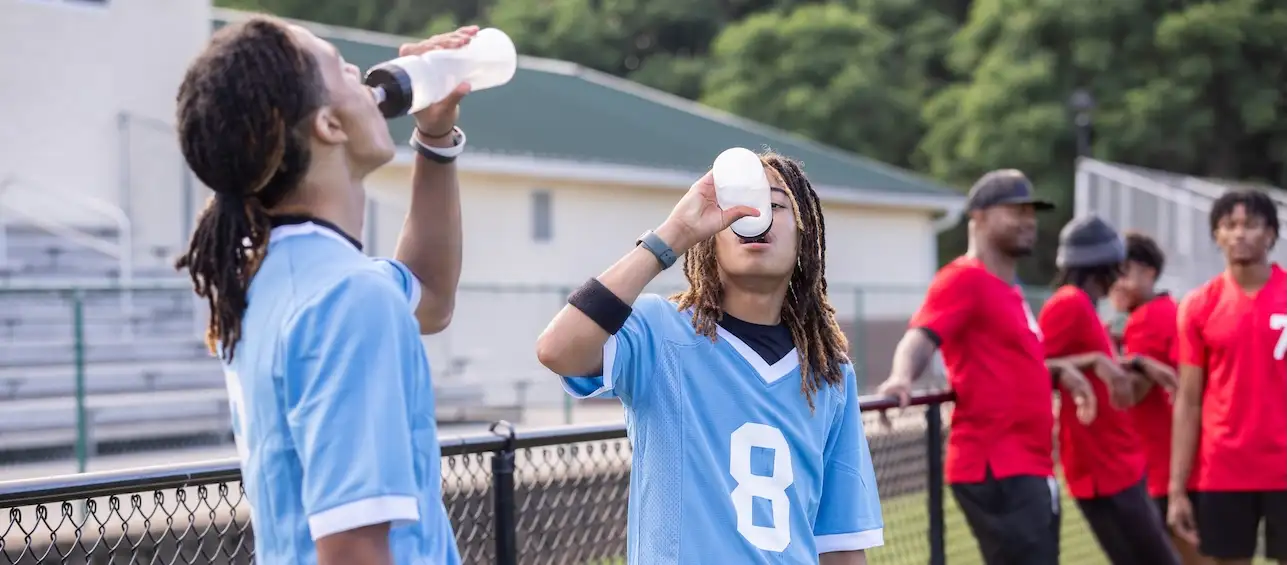
Eye injuries can occur in any sport, usually from falls, contact with other players, or flying objects like balls or equipment. According to a 23-year study on ER visits across the United States, the top sports and activities causing eye injuries are:
- Basketball (15.9%)
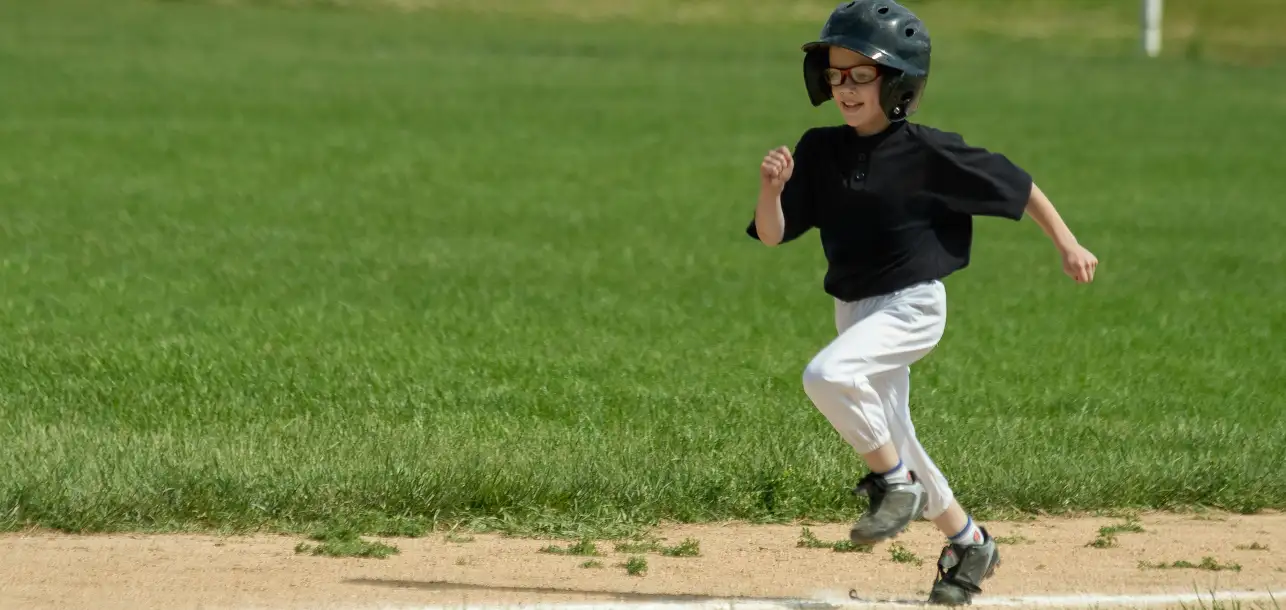
- Baseball and softball (15.2%)
- Shooting nonpowdered gun bullets like BBs and paintballs (10.6%)
Other moderate- to high-risk sports include racquetball, tennis, pickleball, lacrosse, field hockey, ice hockey, boxing, full-contact martial arts, soccer, football, golf, and volleyball.
2. Common eye injuries in sports
The NIH states that every 13 minutes a child is treated in a U.S. emergency room for a sports-related eye injury. Some of the most common are:
- Scratched eye (corneal and conjunctival abrasion): This can happen if a finger or object accidentally scratches the eye, like reaching for the ball during a basketball game. It can cause pain, redness and light sensitivity.
- Bleeding inside the eye (traumatic hyphema): A direct hit to the eye can damage small blood vessels and cause bleeding inside the front part of the eye. This is serious and can lead to vision loss if not treated. BB and Nerf guns are a common cause. In fact, they account for about 48% of kids with eye injuries requiring hospitalization.
- Broken bone around the eye (orbital fracture): A hard hit, like from a baseball, can break the bone near the eye and may affect movement or vision. This injury may need surgery to fix it.
- Detached retina: A hit to the eye or head can cause the retina (the layer at the back of the eye) to tear. Symptoms include vision changes like flashing lights, floaters, or a curtain over the vision. This is an emergency and needs quick treatment to avoid permanent damage.
- Concussion: A traumatic brain injury or concussion can affect vision, even if the eye isn’t injured. Signs include blurry or double vision, dizziness, or sensitivity to light. An eye doctor should check these symptoms.
3. Who gets hurt the most
Kids ages 10-17 are most likely to get eye injuries from sports. This may be because they start to play harder, throw faster, and take more risks. Further, boys make up about 75% of these injuries.
4. How to prevent eye injuries
The good news is that we can prevent most sports-related eye injuries with proper eye protection. Regular glasses don’t protect enough – especially on the sides.
Instead, kids should wear sports goggles, or “rec specs” made of strong, shatter-resistant material like polycarbonate. In some sports, helmets with face shields are also important.
Tip: There are programs in Ohio that offer free goggles and face masks to families who qualify. The National Eye Institute is a good resource for more information about proper eyewear during sports.
5. What to do if it happens
Should you call your eye doctor, or go to the ER? It depends on the injury and severity.
Go to the ER if:
- The eye is swollen, bruised or painful following impact or trauma.
- Your child has signs of a concussion (headache, vomiting, nausea or passed out).
- There’s an object stuck in the eye (do not try to remove it yourself!).
Call your eye doctor if:
- The injury seems mild (no major pain, no vomiting or headache, and your child didn’t pass out).
- You’re unsure but want to get it checked out.
If you’re ever in doubt – especially if it’s after hours – play it safe and head to the ER.
For more information about our division of Ophthalmology, or to schedule an appointment, please call 513-636-4751 or visit our website.