
Cincinnati Children's Blog
  • Y&H Podcast
  • Newsletter Subscribe
  • CincinnatiChildrens.org
  • Contact Us
  • Blog
  • Healthy Living
  • Rare and Complex Conditions
  • Safety and Prevention
  • Heart Conditions
  • Learning and Growing
  • Research and Discoveries
  • Blog
  • Healthy Living
  • Rare and Complex Conditions
  • Safety and Prevention
  • Heart Conditions
  • Learning and Growing
  • Research and Discoveries
  • Y&H Podcast
  • Newsletter Subscribe
  • CincinnatiChildrens.org
  • Contact Us
HOME/Heart Conditions/You Can Save A Life: Using an AED Requires No Experience

You Can Save A Life: Using an AED Requires No Experience

You Can Save A Life: Using an AED Requires No Experience
April 3, 2022
Adam Powell, MD
0 Comments

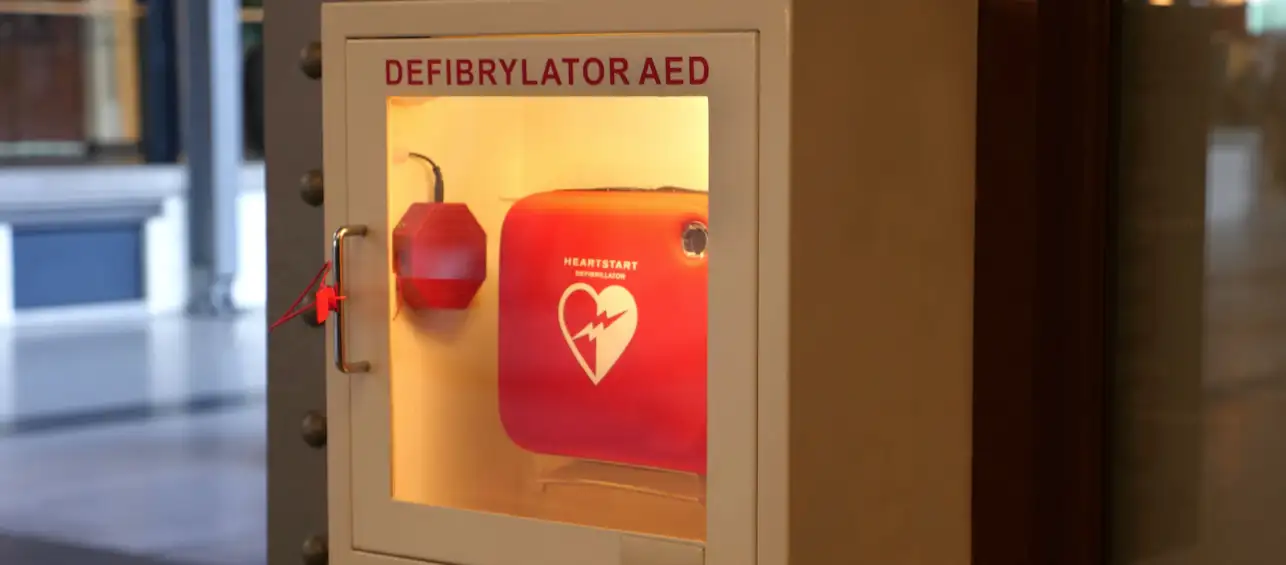
The functionality of an AED (automated external defibrillator) is complex. It evaluates the heart rhythm and delivers an electric shock to the heart when it unexpectedly stops.

However, using an AED is not complicated. It was designed so that anyone – a bystander, a gym-goer, a parent at a soccer game – can administer a life-saving shock to someone who has collapsed due to sudden cardiac arrest (SCA). Response time in this situation is crucial – if CPR and an AED are administered within three to five minutes of the collapse, chance of survival is 70%.

Instructions Every Step of the Way

An AED is so simple to use that no training is needed to administer it. The computer will talk you through every step:

  • It will tell you to call 911 and apply the adhesive pads.
  • Then the AED will assess the heartbeat.
  • If a shock is needed, the AED will instruct you to press the shock button.
  • If the AED decides that a shock is not warranted, it will tell you to refrain from shocking the collapsed person.
  • The AED will tell you to administer chest compressions if a shock is not needed.

SEE AN EXAMPLE: This video from the American Heart Association shows how easy AEDs are to use.

When in Doubt, Use an AED Immediately

Survival of sudden cardiac arrest depends on bystanders taking quick action.

Assume any collapsed, unresponsive person is in cardiac arrest and apply an AED immediately. As described above, the AED’s computer will then determine the status of the heart rhythm for you. This high level of suspicion and subsequent action helps minimize potentially fatal delays.

GOOD TO KNOW: AEDs are 100% accurate at NOT shocking someone who doesn’t need it.

An AED Will Not Interfere with CPR

We have heard concerns that using an AED could interfere with CPR. However, this is no longer an issue because the AHA updated their guidelines in 2025 to the following:

  • Rescue breaths are no longer needed during CPR.
  • Because the AED coaches the responder on when to stop chest compressions and prepare for a shock, the responder will not be harmed.
  • This places importance on early chest compressions and AED placement.

SCA Screening is Not Perfect

I wish we had a better prevention method so that AEDs weren’t necessary. Currently in the United States, we screen high school athletes for life-threatening heart conditions by medical history and physical exam. Some athletes in the schools may even have had a mobile heart screen performed through a local hospital or organization.

While screening athletes for potentially life-threatening heart issues is quite important, this approach is imperfect at detecting most student athletes at-risk for sudden cardiac arrest. Unfortunately, many young athletes can still have SCA despite appearing healthy and physically fit.

At Cincinnati Children’s Heart Institute, we know that the proper use of AEDs is essential to saving lives. Because of this, we’ve partnered with several local organizations including the Congenital Heart Alliance of Cincinnati and Project Adam to ensure local schools have the equipment and training to help protect the families in our area.

Until we’ve found a better method for screening and prevention, sudden cardiac arrest is a reality for those at risk. Having AEDs readily available (not locked), in good working order (batteries charged), and bystanders willing to use them, is a SCA victim’s best chance of survival.

LEARN MORE: Listen to this Young & Healthy podcast that explains the warning signs and how bystanders can help when witnessing an episode of sudden cardiac arrest.
Related Articles
Sudden Cardiac Arrest: Preparation Over Fear
Former CICU Nurse Gives Back After Son’s Sudden Cardiac Arrest
Sudden Cardiac Arrest and Your Teen Athlete
FAQs: Cardiac Rehabilitation for Kids
TAGS:
  • cardiomyopathy
  • sudden cardiac arrest
About the author: Adam Powell, MD

Adam Powell, MD, is a pediatric cardiologist in the Heart Institute at Cincinnati Children’s. Dr. Powell specializes in general cardiology and pediatric exercise cardiology and has published multiple papers regarding the exercise performance of children with and without heart disease. Prior to his time at Cincinnati Children’s, he served in the United States Air Force as a general pediatrician for 7 years. When he is not doctoring, he lives an active lifestyle involving early morning runs, coaching youth sports and chasing his three young children.

Write A Comment

Leave a Reply Cancel reply

Your email address will not be published. Required fields are marked *

No Comments Yet

Topics

  • Cancer and Blood Diseases
  • Child Development and Behavior
  • Childhood Obesity
  • Chronic Care Networks
  • Cincinnati Walks for Kids
  • Featured Faces
  • Fetal Conditions
  • Fitness and Nutrition
  • Food Allergies
  • Ghana 2012
  • Health Care Public Policy
  • Health Care Quality
  • Health Care Reform
  • Healthy Living
  • Heart Conditions
  • Hospital Operations
  • Learning and Growing
  • Nurses Week 2012
  • Patient Family Experience
  • Patient Flow
  • Patient Safety
  • Pin of the Week
  • Rare and Complex Conditions
  • Research and Discoveries
  • Safety and Prevention
  • Share Your Story
  • Technology
  • The Young & Healthy Podcast
  • Uncategorized
  • Vaccines
  • Volunteerism
  • What's New
See All Topics
See Less Topics

Subscribe

Subscribe today to our family newsletter for tips, blog posts, podcasts and more.

Subscribe Now

Popular Posts

  • Lean, Purple Drank, Sizzurp: A Dangerous Teenage Drink 580 views

  • 6 Questions to Ask When Your Child Complains of Chest Pain 561 views

  • Stuttering In Young Kids: When To Be Concerned 359 views

  • Swaddling DO’s and DON’Ts 236 views

  • 6 Tips to Help Kids Who Are Afraid of the Dark 233 views

  • How To Increase Calories In Your Underweight Child’s Diet 219 views

About

The Cincinnati Children’s blog features thoughts and perspectives from our experts on all things pediatric health. This blog does not provide medical advice, diagnosis, or treatment. Learn More »

Contact Us
  • 3333 Burnet Avenue, Cincinnati, Ohio 45229-3026
  • 1-513-636-4200 | 1-800-344-2462
  • TTY: 1-513-636-4900
  • socialmedia@cchmc.org
Connect With Us
  • Newsletter Subscribe
  • CincinnatiChildrens.org
  • Contact Us

© 2009-2026 Cincinnati Children’s Hospital Medical Center