
Cincinnati Children's Blog
  • Podcast
  • Newsletter Subscribe
  • CincinnatiChildrens.org
  • Contact Us (opens email application)Contact Us
  • Blog
  • Healthy Living
  • Rare and Complex Conditions
  • Safety and Prevention
  • Heart Conditions
  • Learning and Growing
  • Research and Discoveries
  • Open search
  • Blog
  • Healthy Living
  • Rare and Complex Conditions
  • Safety and Prevention
  • Heart Conditions
  • Learning and Growing
  • Research and Discoveries
  • Open search
  • Podcast
  • Newsletter Subscribe
  • CincinnatiChildrens.org
  • Contact Us (opens email application)Contact Us
HOME/Healthy Living/Cradle Cap in Babies: Causes, Treatment and When to Call the Pediatrician

Cradle Cap in Babies: Causes, Treatment and When to Call the Pediatrician

Cradle Cap in Babies: Causes, Treatment and When to Call the Pediatrician
October 13, 2026
Rosalynd Brackens, MD
0 Comments

Seeing something on your baby’s scalp that doesn’t belong there can be concerning!

Fortunately, cradle cap is very common in babies, is harmless, and usually goes away on its own. Cradle cap is a scaly, sometimes oily rash that can develop on a baby’s scalp. It can appear during the newborn period and last up to 12 months of age, although some babies can have it longer.

As a pediatrician, I reassure families that while it can be noticeable, it usually bothers parents more than it bothers their babies.

What Cradle Cap Looks Like

For most babies, cradle cap tends to look like:

  • Yellow, dry or oily scales on a baby’s scalp.
  • Most noticeable on the top of the head, but can also appear behind the ears, on the eyebrows, forehead and face.
  • May also appear as small, reddish bumps in these same areas.
  • It can also develop on other parts of the body, including the neck folds and trunk. When it occurs outside of the scalp it is called seborrheic dermatitis.

Important to note: Cradle cap can sometimes look similar to eczema. Both conditions can cause dry-looking skin, but cradle cap is more greasy or dry with oily, yellow scales. Whereas eczema may have thick, darker-colored scales that merge together. 

Causes of Cradle Cap

Cradle cap is so common that it can affect up to 70% of babies. While the exact cause of cradle cap isn’t clear, we do know that there isn’t anything parents have done to cause it and that it is not caused by poor hygiene.

How to Treat Cradle Cap at Home

Because cradle cap usually resolves on its own, treatment is not always necessary. If you want to help loosen the scales, gentle care is the best approach. I recommend that parents:

  • Wash the scalp every other day with a gentle baby shampoo or wash.
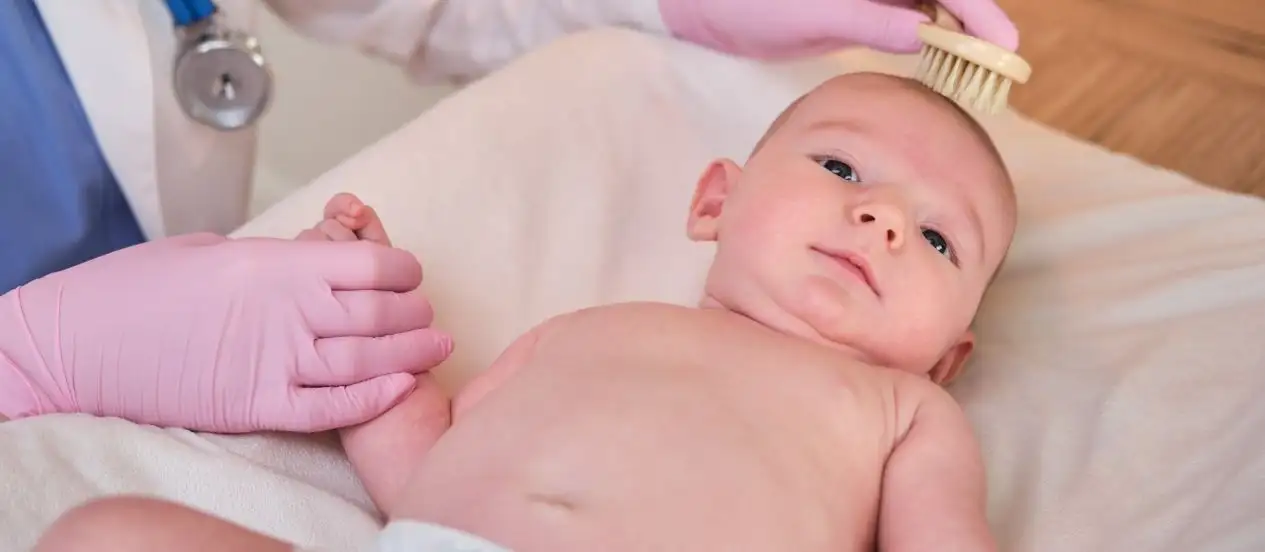
  • Gently massage the scalp with a soft baby brush to loosen the scales.
  • If the scales are thick, apply baby oil, coconut oil or petroleum jelly to the affected area. Leave it on overnight, then wash it off in the morning.

What Not to Do for Cradle Cap

Parents should avoid the following steps, as they can irritate the skin or cause bleeding:  

  • Picking or scratching it.
  • Aggressively brushing the scales.
  • Using fragranced products on skin and scalp. Look for hypoallergenic or ‘intended for sensitive skin’ labeled products.

How Long Does Cradle Cap Last?

Cradle cap can last for several months and may continue until around 12 months of age. Some children may have it longer.

Although the appearance can be frustrating for parents, persistence doesn’t necessarily mean that something is wrong. In most cases, cradle cap will gradually improve and disappear on its own.

When to Call Your Pediatrician About Cradle Cap

For most babies, cradle cap is not painful, uncomfortable or itchy. Babies typically don’t seem bothered by it, even when the scales are quite noticeable. Sometimes, a baby may have eczema or another type of dermatitis at the same time. Those conditions can cause itching or discomfort.

Contact your pediatrician if your baby’s scalp or rash:

  • Becomes excessively scaly.
  • Is oozing or has drainage.
  • Bleeds.
  • Looks swollen.
  • Seems painful or very itchy.
  • Develops blisters.
  • Has an unusual odor.

You should also contact your pediatrician anytime you are concerned about your baby’s skin or aren’t sure whether the rash is actually cradle cap. Your pediatrician can examine the rash and help determine whether another skin condition may be causing the symptoms. Sometimes a quick conversation with your pediatrician is all you need for reassurance.

Cincinnati Children’s primary care pediatricians provide all the care your child needs to grow up healthy. Check out our locations around the greater Cincinnati area.  
Related Articles
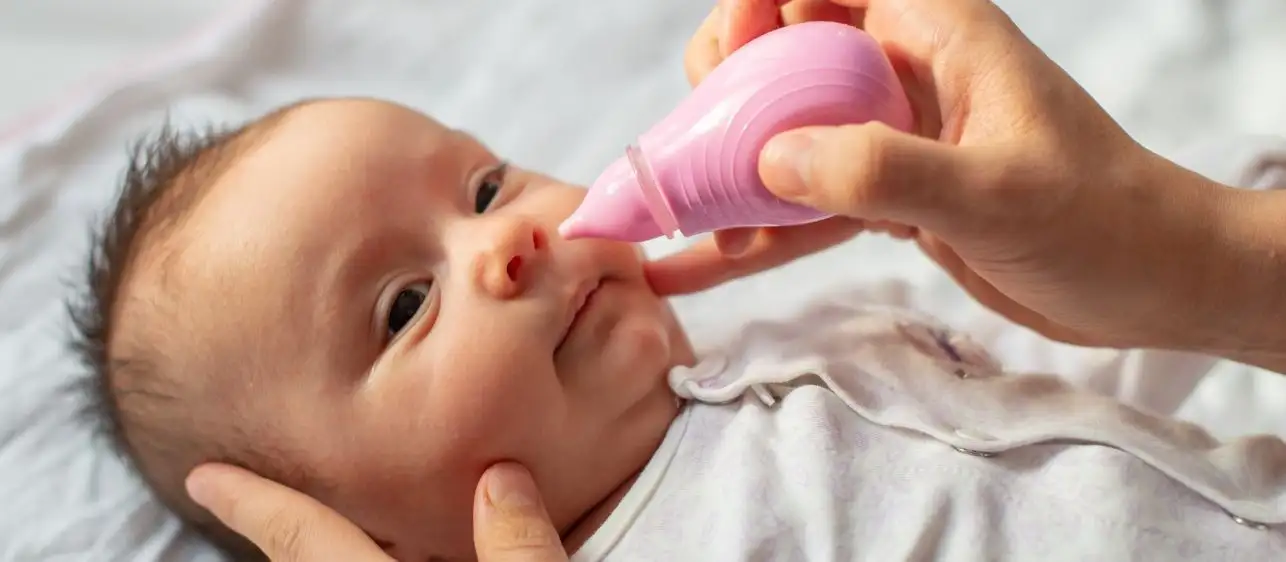
Helping Baby’s Congestion: Tips for Using Bulb Syringes
Summer Events and Festivals: A Safety Guide for Families
6 Reasons Kids Aren’t Getting Enough Vitamin D
The Importance of Well-Child Visits During COVID-19
TAGS:
  • community health
  • Home
  • Infants
  • pediatric primary care
Rosalynd Brackens, MD.
About the author: Rosalynd Brackens, MD

Rosalynd Brackens, MD, is a pediatrician in our Community Health Services Network. She specializes in treating kids with asthma, acne and mental health conditions such as ADHD. When she’s not working, she loves spending time with her family, children and friends, as well as watching movies.

Write A Comment

Leave a Reply Cancel reply

Your email address will not be published. Required fields are marked *

No Comments Yet

Topics

  • Cancer and Blood Diseases
  • Child Development and Behavior
  • Childhood Obesity
  • Chronic Care Networks
  • Cincinnati Walks for Kids
  • Featured Faces
  • Fetal Conditions
  • Fitness and Nutrition
  • Food Allergies
  • Ghana 2012
  • Health Care Public Policy
  • Health Care Quality
  • Health Care Reform
  • Healthy Living
  • Heart Conditions
  • Hospital Operations
  • Learning and Growing
  • Nurses Week 2012
  • Patient Family Experience
  • Patient Flow
  • Patient Safety
  • Pin of the Week
  • Podcast
  • Rare and Complex Conditions
  • Research and Discoveries
  • Safety and Prevention
  • Share Your Story
  • Technology
  • Uncategorized
  • Vaccines
  • Volunteerism
  • What's New
See All Topics
See Less Topics

Subscribe

Subscribe today to our family newsletter for tips, blog posts, podcasts and more.

Subscribe Now

Popular Posts

  • Lean, Purple Drank, Sizzurp: A Dangerous Teenage Drink 376 views
  • How Do I Help My Underweight Child Gain Weight? A Dietitian’s Guide to Faltering Weight 340 views
  • Swaddling DO’s and DON’Ts 277 views
  • How to Safely Start a Strength Training Program for Kids 252 views
  • 6 Questions to Ask When Your Child Complains of Chest Pain 221 views
  • How to Talk to Tweens and Teens About Consent 194 views
About

The Cincinnati Children’s blog features thoughts and perspectives from our experts on all things pediatric health. This blog does not provide medical advice, diagnosis, or treatment. Learn More »

Contact Us
  • 3333 Burnet Avenue, Cincinnati, Ohio 45229-3026
  • 1-513-636-4200 | 1-800-344-2462
  • TTY: 1-513-636-4900
  • socialmedia@cchmc.org
Connect With Us
  • Newsletter Subscribe
  • CincinnatiChildrens.org
  • Contact Us

© 2009-2026 Cincinnati Children’s Hospital Medical Center