
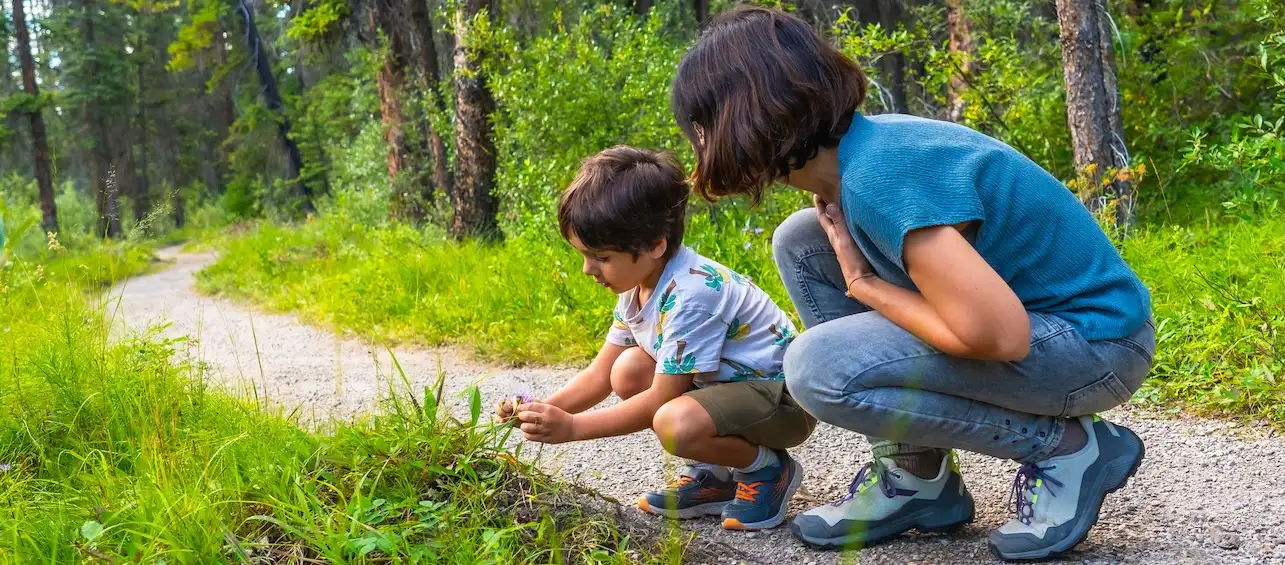
Plants bring beauty, color and calm into our homes and outdoor spaces—but not all plants are as harmless as they look. Some common houseplants and garden favorites can cause illness or injury if touched or eaten, especially for children and pets. The good news? With a little knowledge and planning, you can enjoy plants safely while reducing the risk of plant-related poisoning.
Why Plant Safety Matters
Some plants are poisonous when eaten, while others can cause skin irritation simply by touching them. In certain plants, all parts are toxic; in others, only specific parts—such as berries, seeds or leaves—are dangerous. Effects can range from mild stomach upset or skin rash to severe illness, and in rare cases, life?threatening outcomes.
Young children are particularly at risk because they explore their world by touching and tasting. Pets can also chew on leaves or dig up bulbs. Even plants labeled “nonpoisonous” can present choking hazards or cause mild irritation if swallowed.
Common Poisonous Plants You May Recognize
Many toxic plants are surprisingly common in homes, yards and parks. These are some plants that often lead to calls for help:
- Poison ivy, poison oak and poison sumac – These plants cause itchy, blistering rashes from skin contact due to an oil called urushiol. Burning them is especially dangerous, as inhaling the smoke can cause lung irritation.
- Azalea and rhododendron – These plants contain grayanotoxin. Eating or chewing on the leaves can cause numbness and irritation in the mouth. In some cases, vomiting, confusion, effects on the heart rate and seizures may occur.
- Lily of the valley, oleander, foxglove – These plants contain cardiac glycosides and are like heart medication. Ingestion can lead to nausea, vomiting, drowsiness, and in some cases effects on the heart rate.
- Castor bean plant – Its seeds contain ricin, one of the most potent plant toxins known. Poisoning is rare due to the hard coating on the seeds. But, if the seeds are crushed or chewed symptoms may include vomiting, diarrhea, and in serious cases effects on the liver, kidneys and nervous system.
A key takeaway is to never assume a plant is safe just because it’s natural or sold at a nursery.
Nonpoisonous Plants: Safer Choices for Homes and Gardens
If you’re looking to add greenery without worry, many commonly grown plants are considered nonpoisonous to people. Some examples include:
- African violets
- Begonias
- Gardenias
- Lilacs
- Impatiens
- Marigolds
These plants do not contain dangerous toxins, though supervision is still important for young children to prevent choking or an upset stomach.
Keep in mind, nonpoisonous does not mean edible. Children should always be taught not to eat any plants unless an adult confirms it is safe.
Smart Tips for Preventing Plant-Related Poisonings
- Learn and label the plants in your home and yard so you know which ones may be harmful.
- Keep houseplants out of reach of small children.
- Supervise outdoor play, especially in areas with wild plants or berries.
- Wear gloves when gardening and wash hands afterward to avoid skin irritation from plant oils.
- Never eat wild plants unless you are absolutely certain of their identity. Mistakes with look-alike plants have caused serious poisoning and even death.
What to Do If Exposure Happens
If someone may have eaten or touched a poisonous plant, don’t wait for symptoms. Call the Drug and Poison Information Center (DPIC) at 1-800-222-1222 for free, confidential help 24/7/365. If possible, save a piece of the plant for potential identification.